Behind the Lens of RA
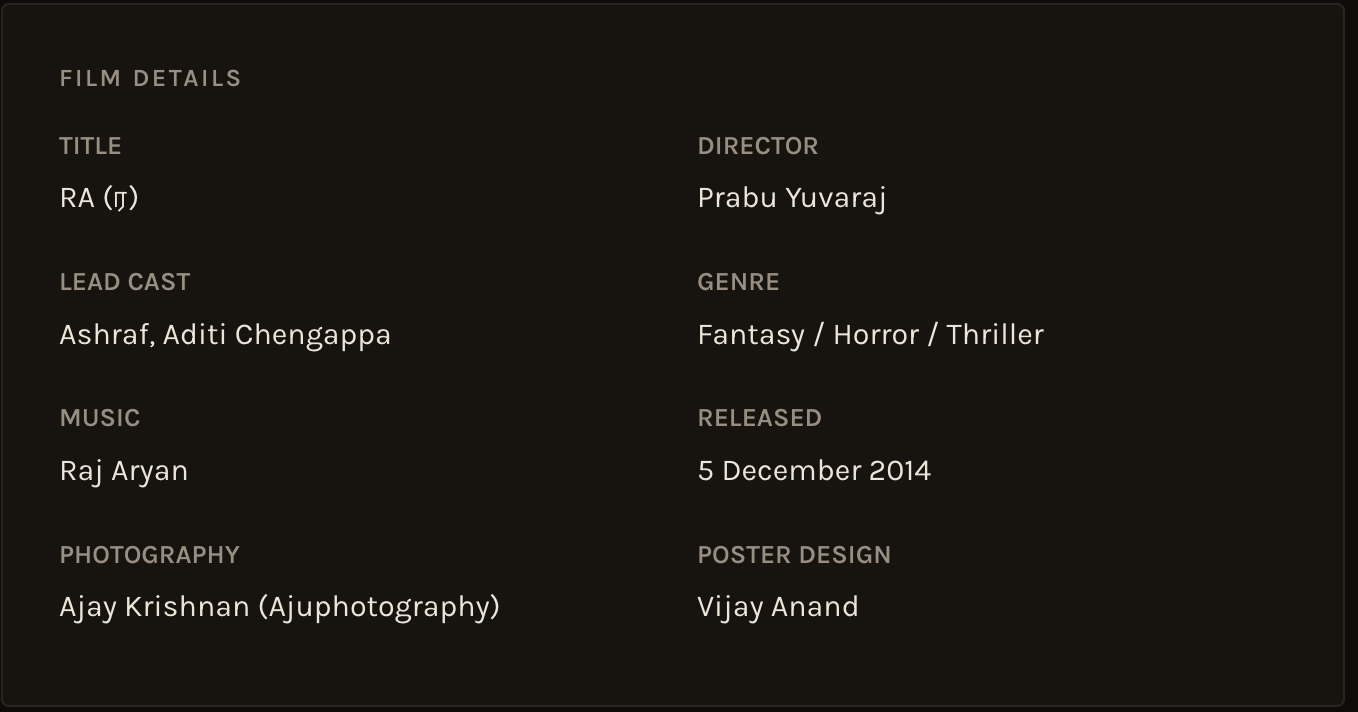
There's a version of photography that most people never think about — the work that happens before a film releases, before the posters go up, before the audience has any idea what they're about to walk into. Ajay Krishnan was brought in to do exactly that for RA (ர), a Tamil fantasy-horror thriller directed by Prabu Yuvaraj that released in theatres on 5 December 2014. The brief: photograph the lead cast in full costume and character, and create the still imagery that would carry the film's identity into the world.
It's a different discipline from anything Ajay does with a wedding or a portrait client. A film's look test and poster imagery isn't really about the actors as people — it's about what those actors become when they step into a character. The camera's job is to help a creative team see whether that transformation has happened, and whether it reads the way the director imagined it on the page.
The Look Test: Finding the Character
The look test is one of the least-seen but most consequential steps in any film's pre-production. Before a single scene is shot, the director, costume designer, and creative team need to see each character fully realised — the right lighting on the right face, the costume reading correctly on camera, the expression matching the psychology of who this person is supposed to be.
For RA, a psychological thriller built around identity, mystery, and the boundary between the real world and something darker, the visual language had to carry weight from the very first image. Ajay worked closely with Prabu Yuvaraj's team to explore different lighting setups and angles for the lead cast — Ashraf, who plays Ajay (a man haunted by the mysterious death of his wife on their wedding night), and Aditi Chengappa, who plays Renya. Each character exists in different registers of the film's world, and that had to come through in how they were lit.
The instinct Ajay brings to every shoot — stay close to what's true, don't manufacture emotion, watch for the moment when the subject stops performing and simply becomes — applies here as much as it does at a wedding. A look test works when the character stops looking like a person in a costume and starts looking like themselves. That's the frame you're after.
Wrong turns can cost your mind. — RA tagline
Building the Poster: Still Images Carrying a Whole World
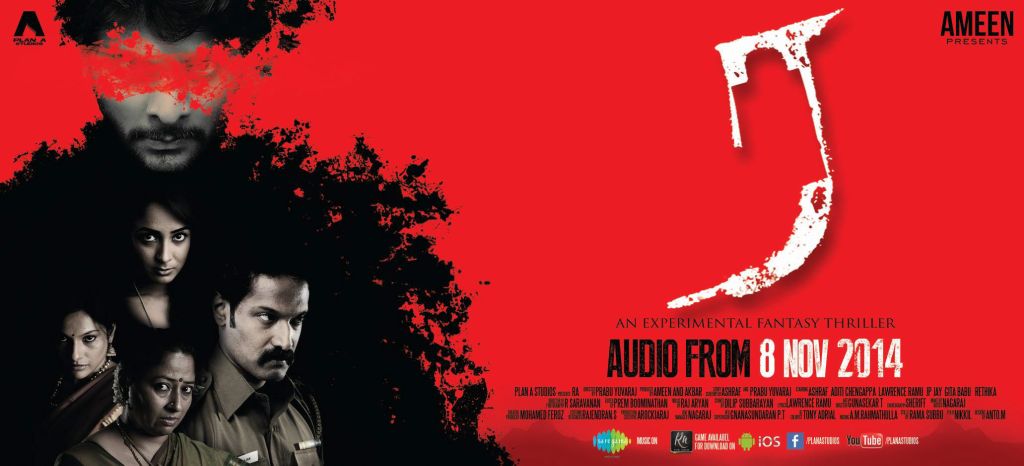
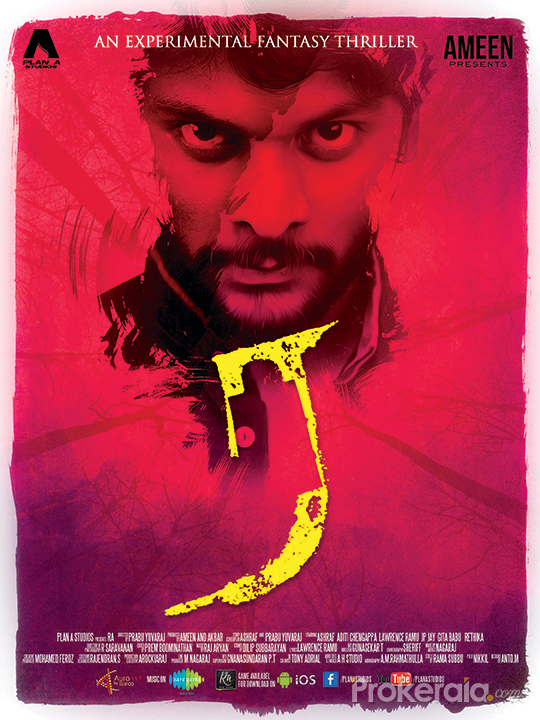
Once the look test was complete, the work moved to creating the foundation images for RA's official posters. This is where Ajay's eye for composition and his understanding of light as a storytelling tool — not just a technical input — became central. A film poster is, in many ways, the hardest brief a photographer can receive: a single image that has to tell someone who has never heard of this film what kind of film it is, what kind of world it lives in, and whether they want to enter it.
For RA, the atmosphere needed to feel unsettling without being cheap, dark without losing the characters' humanity. The film draws from the tradition of psychological horror — the story was reportedly conceived at 39,000 feet on a flight, and the finished film even offered two different endings for two different kinds of audiences. That ambiguity, that sense of a world with more beneath its surface than it's showing, was what the still photography had to hold.
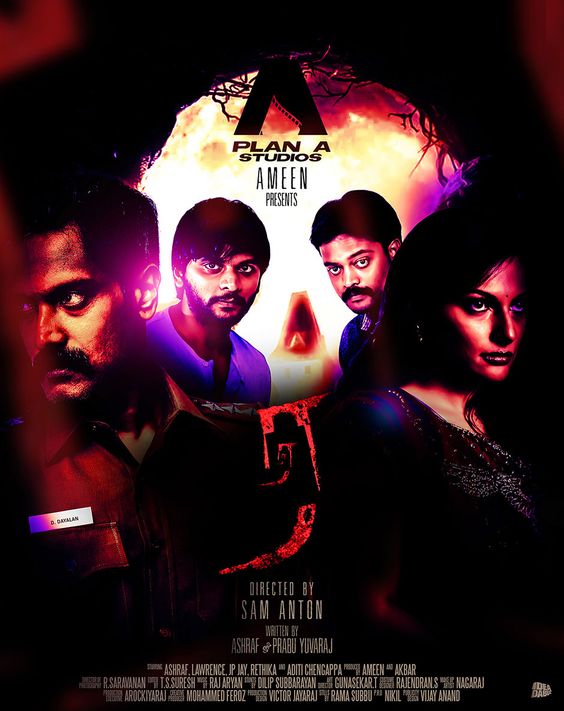
The final poster design was in the hands of designer Vijay Anand, who brought his own craft to Ajay's images and crafted the finished visual identity that audiences saw in print and online. What Ajay provided was the raw material — the light, the angle, the expression — that the design could build from. That collaboration between still photography and graphic design is where a film's identity gets made, frame by careful frame.
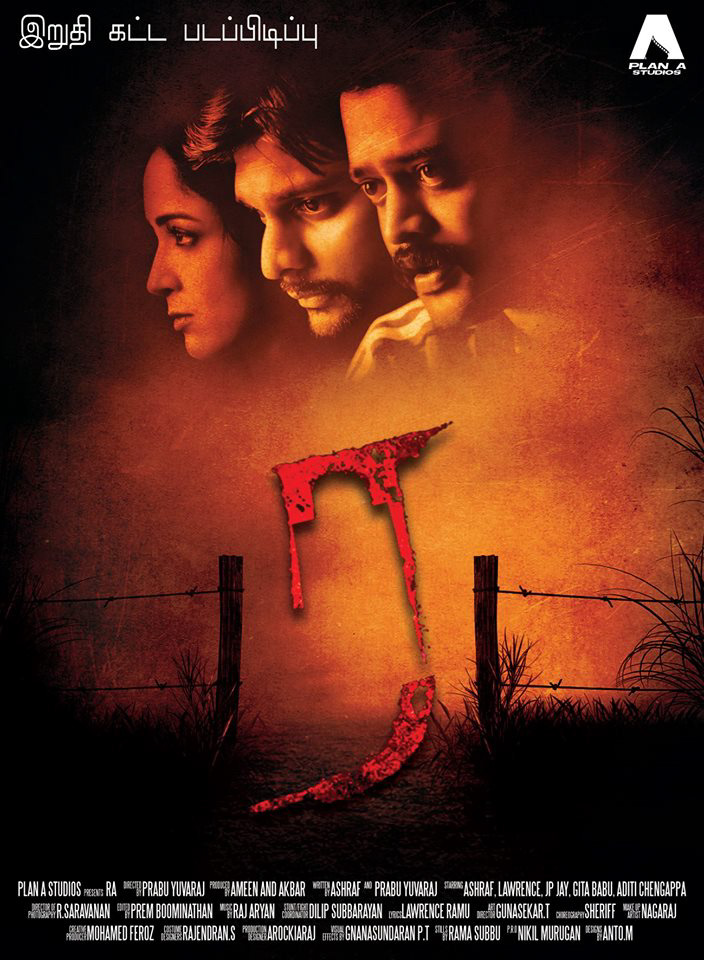
Behind the Scenes
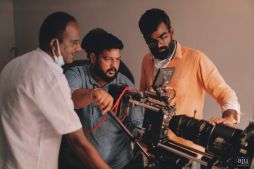
The BTS footage from the shoot captures something that finished posters rarely show — the number of decisions made in a single setup, the adjustments between frames, the back-and-forth between photographer and director to find the version of a shot that actually holds the film's world. Ajay's process on commercial work is much the same as it is on every other shoot: stay observant, stay flexible, and keep the frame honest even when the subject is entirely fictional.
On Shooting for Cinema
Ajay's work spans weddings, wildlife, fashion, and the natural world — genres that, on the surface, have very little in common. What they share is the same underlying challenge: how do you use a still image to make someone feel something they haven't felt yet, about a person or a moment they haven't met?
For cinema, the answer is that the still image has to carry enough of the film's world that a stranger, seeing it for the first time, already wants to know more. That's not a technically solvable problem. It's a question of instinct, preparation, and knowing when the frame in front of you is actually the one worth keeping.
Ajay Krishnan is available for cinematic photography, look tests, and film campaign imagery. Enquiries are welcome.